
VinUniversity · Vietnam

MEDAL

Multifunctional Engineering, Dynamics, and Automation Lab

Physical AI, intelligent sensing, printed electronics, advanced manufacturing, and robotics for real engineering systems.

MEDAL develops intelligent engineering systems that connect physical processes, sensing technologies, manufacturing science, printed electronics, robotics, infrastructure monitoring, digital twins, cognitive twins, and artificial intelligence. Our research aims to improve the safety, reliability, autonomy, and performance of future engineering systems.

Sense
physical signals
Reason
with knowledge
Predict
system behavior
Act
in the real world
01 — About

About MEDAL

The Multifunctional Engineering, Dynamics, and Automation Lab — MEDAL develops technologies that help machines, sensors, manufacturing systems, printed electronic devices, robotic platforms, and critical infrastructure understand and respond to the physical world.

Led by Professor Simon S. Park at VinUniversity, MEDAL combines experimental engineering, intelligent sensing, knowledge representation, AI-based reasoning, printed electronics, advanced manufacturing, robotics, digital twins, cognitive twins, and human-computer interaction.

We are especially interested in research that bridges the gap between physical systems and intelligent decision-making.

02 — Research areas

Multidisciplinary programs. One coherent vision.

MEDAL's work spans a growing set of interlocking, multi-disciplinary research programs, unified by a Physical-AI perspective on sensing, reasoning, and action across engineering systems.

01

Physical AI for Manufacturing and Automation

AI-enabled frameworks that allow machines, manufacturing systems, and cyber-physical platforms to understand, reason, and adapt to physical environments.

  • Ontology and knowledge graph development for manufacturing and automation
  • Retrieval-augmented generation for engineering decision support
  • Digital twins and cognitive twins for monitoring, prediction, and control
  • AI-assisted diagnostics and process understanding
  • Knowledge-based reasoning for smart factories and autonomous systems
  • Integration of domain knowledge, sensor data, physics, and contextual reasoning
02

Novel Sensors and Intelligent Sensing Systems

Sensing technologies for safety-critical and high-performance engineering applications.

  • Gas sensors for early fault detection in energy storage systems
  • Sensors for abnormal chemical, thermal, and environmental signatures
  • Force, strain, and stress sensors for mechanical and robotic systems
  • Sensor integration, signal processing, and intelligent interpretation
  • Sensing systems for fault diagnosis, safety monitoring, and control
  • Data-driven and physics-informed sensor analytics
03

Oil and Gas Monitoring

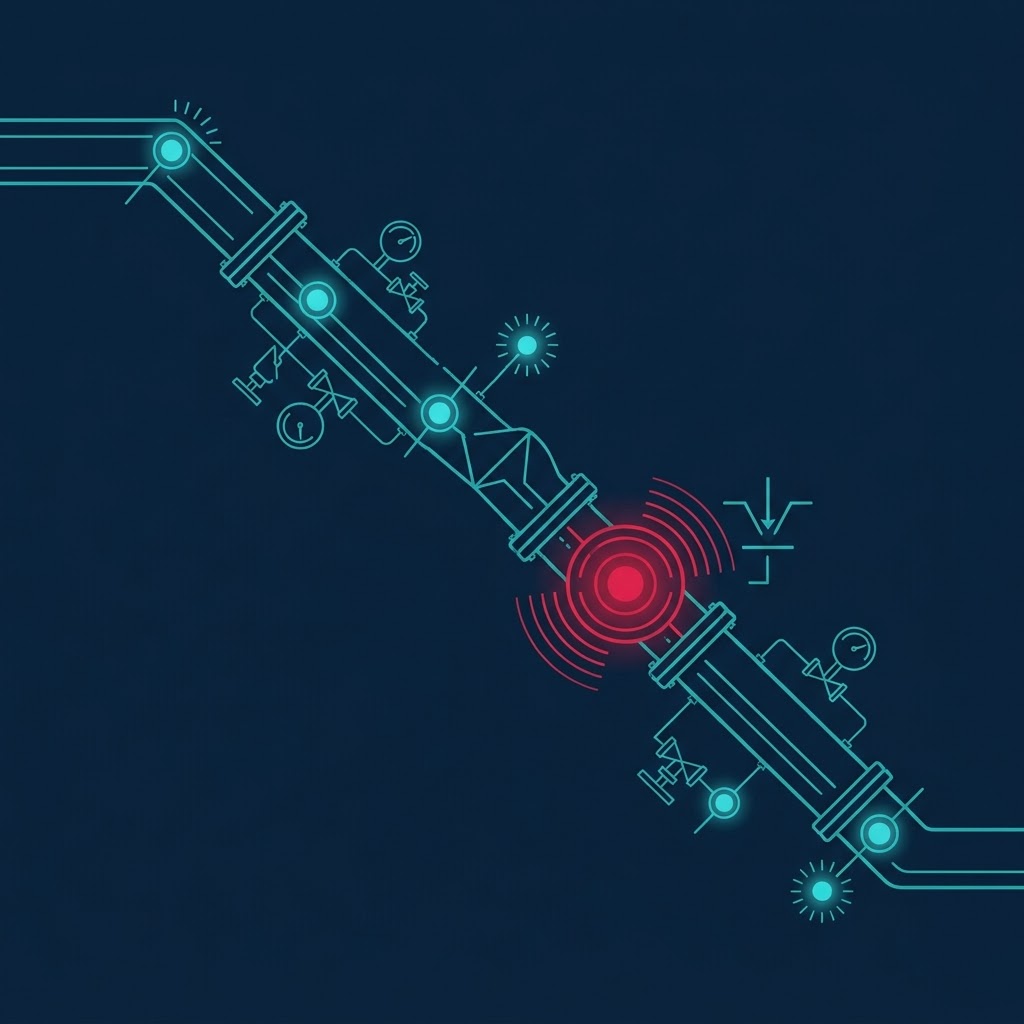
Intelligent monitoring for oil and gas infrastructure, focused on pipeline health, leakage detection, and early warning.

  • Pipeline health monitoring
  • Leakage detection and localization
  • Sensor-based monitoring of oil and gas infrastructure
  • Fault diagnosis and early warning systems
  • Data-driven and physics-informed models for pipeline integrity
  • Integration of sensing, digital twins, and AI reasoning for infrastructure
  • Predictive maintenance for critical energy infrastructure
04

Advanced Manufacturing and Process Intelligence

Manufacturing process monitoring, diagnostics, precision, reliability, and intelligent automation.

  • Machining dynamics and process monitoring
  • Chatter detection, prediction, and suppression
  • Tool condition monitoring and fault diagnostics
  • Sensor-based manufacturing intelligence
  • Data-driven and physics-informed models for manufacturing processes
  • Intelligent process monitoring for machining and automation
05

3D Printing of Nanocomposites

Additive manufacturing of functional nanocomposites for sensing, enhanced material performance, and multifunctional components.

  • 3D printing of polymer nanocomposites
  • Functional materials for sensing applications
  • Nanocomposites with enhanced mechanical, electrical, and multifunctional properties
  • Process–property–performance relationships in printed materials
  • Smart materials for structural and sensing applications
  • Additive manufacturing of sensor-integrated components
06

Printed Electronics and IPL Processing

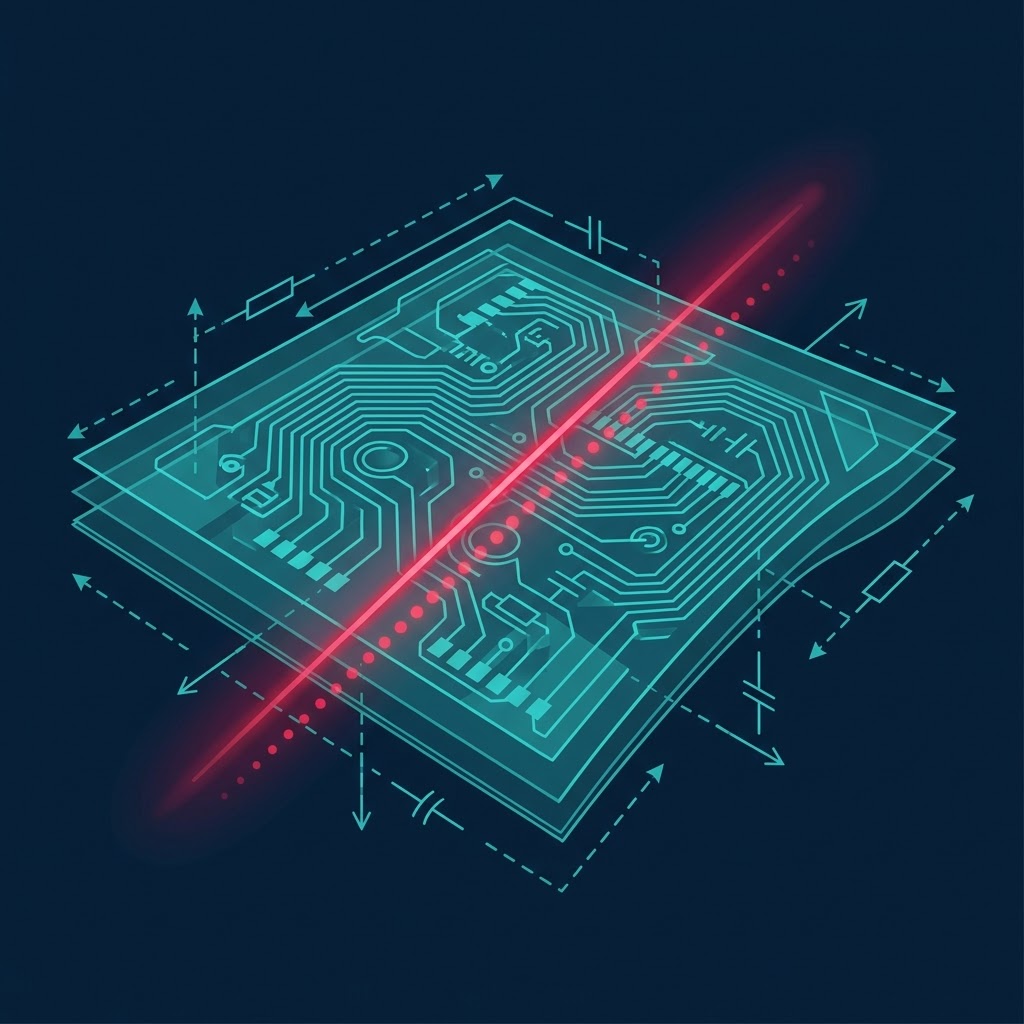
Printed electronics and rapid photonic processing using Intense Pulsed Light for functional devices, sensors, and flexible electronic systems.

  • Printed electronics for sensors, flexible devices, and functional components
  • Intense Pulsed Light sintering and photonic curing of conductive materials
  • Processing of metallic, nanomaterial-based, and composite inks
  • Low-temperature, rapid processing for flexible or temperature-sensitive substrates
  • Printed conductive traces, electrodes, and sensing structures
  • Integration with sensors, robotics, energy systems, and smart manufacturing
  • Scalable manufacturing of smart and functional electronic surfaces
07

Robotic Grippers and Human-Computer Interaction

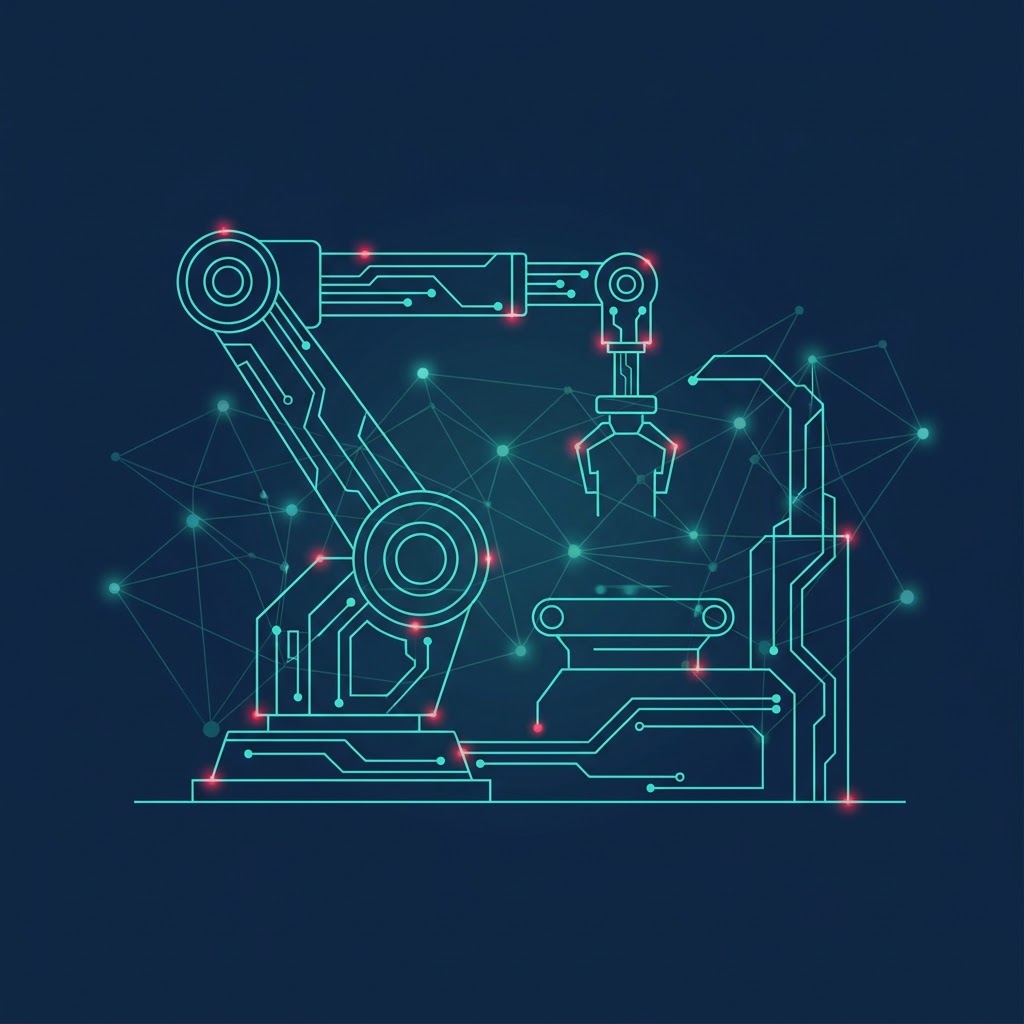
Robotic and human-machine systems that improve interaction between humans, machines, and intelligent devices.

  • Feedback-sensing robotic grippers
  • Tactile and force sensing for robotic manipulation
  • Human-computer interaction using EEG signals
  • Interfaces for assistive, robotic, and intelligent manufacturing applications
  • Human-machine collaboration and intelligent control
  • Sensor-enabled robotic manipulation and adaptive grasping
03 — Our approach

Sense → Understand → Reason → Predict → Act

  1. 01
    Sense

    We design and integrate sensors to capture physical, chemical, mechanical, electrical, and biological signals from real engineering systems.

  2. 02
    Understand

    We process sensor data and extract meaningful patterns from complex systems, materials, machines, infrastructure, and human-machine interactions.

  3. 03
    Reason

    We use ontologies, knowledge graphs, RAG-based reasoning, AI models, and engineering knowledge to support intelligent decision-making.

  4. 04
    Predict

    We build digital twins, cognitive twins, physics-informed models, and data-driven models to forecast behavior and detect abnormal conditions.

  5. 05
    Act

    We apply intelligent control, robotics, automation, manufacturing intelligence, and human-machine interfaces to improve real-world performance.

MEDAL connects physical experiments, intelligent sensing, computational reasoning, and deployable engineering solutions.

04 — Applications

Where our work is applied

Our research targets concrete engineering problems in industry, infrastructure, and next-generation intelligent systems.

01Smart manufacturing
02Industrial automation
03Energy storage safety
04Oil and gas pipeline monitoring
05Infrastructure health monitoring
06Leakage detection and fault diagnosis
07Robotic manipulation
08Human-machine interaction
09Predictive maintenance
10Intelligent sensing
11Printed electronics
12Flexible sensors
13Functional conductive patterns
14Smart surfaces
15Sensor-integrated components
16Flexible and wearable electronics
17Advanced materials
18Functional 3D-printed components
19Digital and cognitive twin systems
20AI-assisted engineering decision support
05 — Featured projects

Featured Projects

A selection of active research directions. Each project links physical experimentation with sensing, modeling, or AI-based reasoning.

P.01
Physical AI · Knowledge

Knowledge Graphs and RAG for Manufacturing Reasoning

Ontology-based and retrieval-augmented reasoning systems for manufacturing diagnostics, process understanding, decision support, and automation.

P.02
Sensing · Safety

Early Fault Detection Sensors for Energy Storage

Gas-sensing technologies for early identification of abnormal conditions and safety risks in energy storage systems.

P.03
Infrastructure · Digital twin

Pipeline Health and Leakage Monitoring

Sensors, signal processing, digital twins, and AI reasoning integrated for pipeline integrity monitoring and leakage detection.

P.04
Manufacturing · Diagnostics

Chatter Detection and Fault Diagnostics in Machining

Monitoring and diagnostic methods for machining stability, tool condition, process reliability, and intelligent manufacturing.

P.05
Materials · Additive

3D-Printed Nanocomposite Sensors

Functional nanocomposites and additive manufacturing for smart sensing, enhanced properties, and sensor-integrated components.

P.06
Printed electronics · IPL

Printed Electronics using Intense Pulsed Light

Printed conductive patterns, electrodes, flexible sensors, and functional electronic structures via IPL photonic sintering.

P.07
Robotics · Sensing

Feedback-Sensing Robotic Gripper

Robotic grippers with embedded sensing for force feedback, tactile interaction, adaptive manipulation, and intelligent control.

P.08
HCI · Neural signals

EEG-Based Human-Computer Interaction

Human-computer interaction using EEG signals for assistive systems, robotics, intelligent interfaces, and human-machine collaboration.

P.09
Energy Storage · Cognitive Twin

Digital and Cognitive Twins for Immersion-Cooled BESS

A cognitive digital twin for immersion-cooled BESS, using an ontology-based knowledge graph to explain faults and support safe operating decisions.

06 — People

People

MEDAL brings together students and researchers from mechanical engineering, manufacturing, robotics, sensing, artificial intelligence, materials, printed electronics, and intelligent systems.

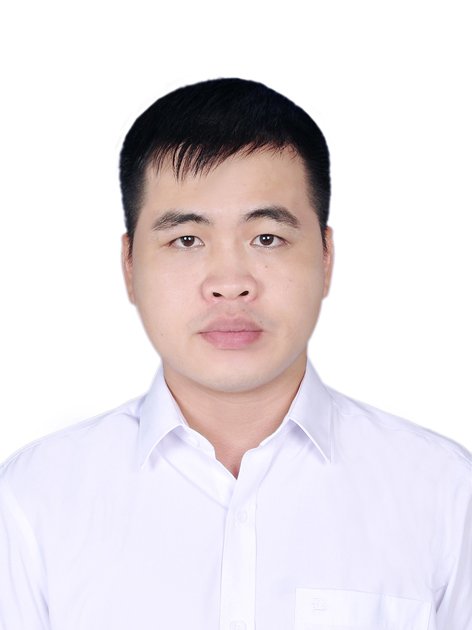
Professor Simon S. Park
Principal Investigator
Professor Simon S. Park

Multifunctional Engineering, Dynamics, and Automation Lab
VinUniversity — Hanoi, Vietnam

Postdoctoral Researchers
01
HH
Hau Huu Ho
Research Assistants
04
DH
Duong Luong Hong
DN
Dang Hai Nguyen
AH
Anh Tuan Hoang
Quang Thieu DinhQuang Thieu Dinh
UROP Students
08
AN
Anh The Tran Nguyen
KN
Khanh Nam Nguyen
AT
Anh Duc Tran
MN
Minh Quang Nguyen
NP
Nam Khoa Pham
PH
Phat Duc Hoang
DN
Dat Tien Nguyen
QT
Quang Minh Tran
07 — Publications

Selected Publications

A selection of Professor Simon S. Park's most-cited work, spanning micro-machining, printed and composite electronics, and manufacturing process modeling.

  1. 01
    Investigation of micro-cutting operations
    International Journal of Machine Tools and Manufacture · 2006
  2. 02
    Electrical and electromagnetic interference shielding properties of flow-induced oriented carbon nanotubes in polycarbonate
    Carbon · 2011
  3. 03
    The electrical conductivity and electromagnetic interference shielding of injection molded multi-walled carbon nanotube/polystyrene composites
    Carbon · 2012
  4. 04
    Modeling of dynamic micro-milling cutting forces
    International Journal of Machine Tools and Manufacture · 2009
  5. 05
    Modeling of minimum uncut chip thickness in micro machining of aluminum
    Journal of Materials Processing Technology · 2012
08 — Join

Join MEDAL

MEDAL welcomes motivated students interested in mechanical engineering, manufacturing, robotics, sensors, artificial intelligence, materials, printed electronics, and intelligent systems. Students who enjoy both hands-on experimentation and computational research are especially encouraged to apply.

Strong-fit backgrounds
Mechanical engineeringManufacturing and machiningRobotics and automationSensors and instrumentationAI and machine learningKnowledge graphs, ontologies, reasoningSignal processingMaterials and nanocompositesPrinted electronicsFlexible electronicsDigital twins and cyber-physical systemsHuman-computer interactionEnergy systems and infrastructure

We are looking for students who want to build, test, model, reason, and solve real engineering problems.

09 — Collaborate

Collaborate with MEDAL

MEDAL is open to academic and industrial collaboration across Physical AI, smart manufacturing, sensing systems, printed electronics, energy storage safety, oil and gas monitoring, robotics, advanced materials, digital twins, and intelligent automation. We are especially interested in projects that connect real engineering problems with deployable solutions.

Industry-sponsored research
Joint academic projects
Student research training
Prototype development
Sensor and monitoring solutions
Manufacturing diagnostics
AI and digital twin systems
Printed electronics and functional devices
Oil and gas infrastructure monitoring
Robotic and human-machine systems

Have a real engineering system that needs to sense, reason, predict, or act? Let's collaborate.

Start a Collaboration
10 — Contact

Contact MEDAL

MEDAL — Multifunctional Engineering, Dynamics, and Automation Lab
VinUniversity
Hanoi, Vietnam
Principal Investigator
Professor Simon S. Park